Is Custom Hearing Protection Worth It?

Thalia Whitney • December 2, 2024

Custom hearing protection may seem like a large initial outlay when it comes to protecting the hearing of your employees. However, there are three major factors that combine to make this expense worthwhile and make custom hearing protection the most effective type of hearing protection there is.


1. Most comfortable type of hearing protection

No two ears are alike – ears are as unique as fingerprints. So why do we expect the same hearing protection to work for different people? One of the most common complaints about hearing protection is that it’s uncomfortable - a study by the National Institute of Health found that nearly half of employees didn’t believe hearing protection could fit comfortably when being worn correctly. The reason for discomfort varies by type of hearing protection – single use hearing protection comfort issues are typically in the ear canal, while earmuffs can be uncomfortable in high heat environments or over prolonged periods of usage.


Custom fit hearing protection ensures that your employees don’t skip wearing hearing protection due to fit issues. Molded to your employees’ ear, and with a small design, our custom hearing protection protects your employees’ hearing without sacrificing comfort.

2. Communication hearing protection

Another common complaint about hearing protection is that employees cannot communicate with each other. Although industrial noise is generally loudest in the lower frequencies, typical hearing protection blocks more sound in high frequencies and less in the low frequencies. This means you are sacrificing speech clarity, while receiving a lower amount of protection where it is needed.


Blocking speech frequencies is another reason employees do not wear hearing protection as consistently as they should, leading to an increased risk of damage. For example, an employee who is exposed is in noise removing hearing protection for 2 minutes makes it 25% less effective. By the end of the day, that quickly adds up. 2 hours without hearing protection in noise makes it 75% less effective. 


Our passive filtered custom hearing protection ensures attenuation is most effective across all frequencies evenly. This means that your employees will still be able to communicate without needing to remove their hearing protection. 


3. Correct & consistent use of hearing protection

The most effective type of hearing protection is known to be the type that your employees will wear consistently and correctly when exposed to noise. However, according to a study by NIOSH, over 50% of employees exposed to loud levels of noise do not wear their hearing protection correctly.


The Noise Reduction Rating (NRR) label on hearing protection doesn’t automatically mean your employees receive that level of attenuation. Rather, it is the level that was achieved when it was inserted/worn correctly. A study by the National Institute of Health found that for a type of disposable earplug advertised to attenuate 25 decibels, over half of the workers were getting attenuation of about 5 decibels or less.


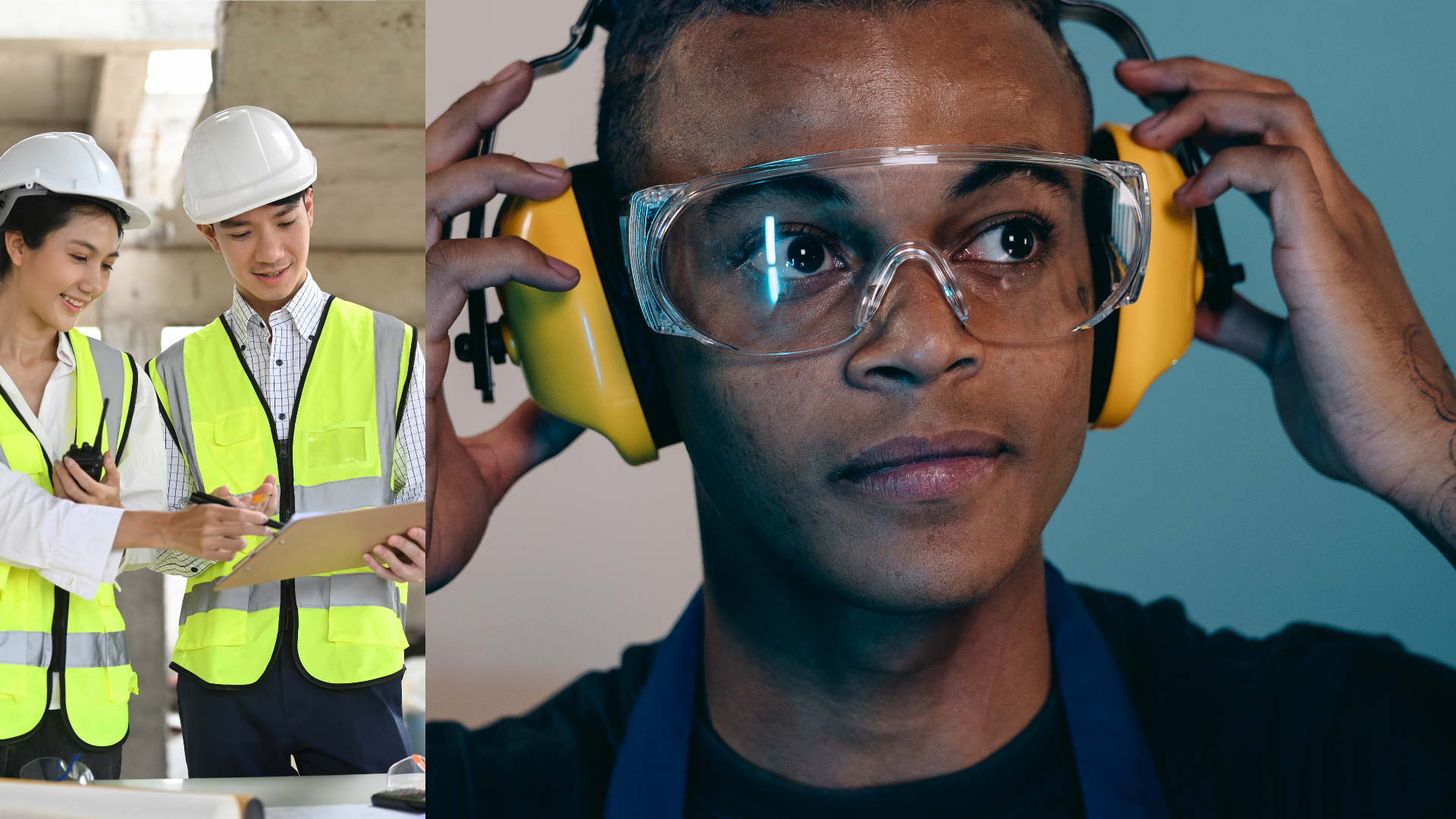
Both disposable hearing protectors and earmuffs can be challenging to fit correctly. Earmuffs, while very effective when worn right, can lose attenuation if items such as safety glasses and even hairstyles break the seal around the ear. 


Our custom fit hearing protection is easy to use, with no special insertion method required. Simply twist slightly and insert, and it’s good to go. And to help determine if your employees are receiving the correct level of attenuation, we also offer hearing protection fit testing services. 


Most effective type of hearing protection: the bottom line

While custom hearing protection can be a slightly larger initial outlay, your ROI should be realized in 18 months over disposable, and our 6-year guarantee will save you over 50% the cost of disposable. It is clearly the winner when it comes to the most effective type of hearing protection. Our filtered custom hearing protection is comfortable, easy to use correctly, and allows employees to communicate without exposing themselves to dangerous levels of noise.


Unsure what type of hearing protection is best for your employees? Check out this quick guide!


Click to find out more or give us a call at  888.972.4420!
By Mary Jane Bumanglag May 30, 2026
In many workplaces, respirators are considered the last line of defense against airborne hazards. But even the best respirator won’t protect workers if the program behind it is outdated, incomplete, or inconsistently followed. As industries continue to prioritize workplace safety, 2026 is the right time for companies to take a closer look at their respirator protection programs — not because regulations suddenly changed overnight, but because compliance alone does not always guarantee protection. At Anadyne, we believe employers should move beyond “checking the box” and focus on creating programs that genuinely keep workers safe every day on the job. Why Companies Should Review Their Respirator Program Now Many organizations assume that if they passed an inspection or completed fit testing a few years ago, their program is still effective today. Unfortunately, that’s not always the case. A respirator protection program can gradually become outdated due to: Employee turnover Changes in job tasks or exposure risks Improper respirator storage and maintenance Weight fluctuations affecting fit Inconsistent training practices Missing documentation Delayed medical evaluations or fit testing The reality is this: a company can technically remain compliant with minimum requirements and still experience workplace injuries or respiratory exposure incidents. That’s why regular program reviews matter. Compliance Is Only the Beginning Respiratory protection standards are designed to establish minimum safety requirements. However, truly effective programs go further by ensuring workers consistently use and maintain their equipment properly between evaluations and fit tests. A worker may pass a fit test today, but what happens afterward? Are they: Shaving regularly to maintain a proper seal? Replacing filters when needed? Inspecting respirators for damaged seals? Properly storing equipment in sealed bags between jobs? Reporting major physical changes that may affect fit? These day-to-day behaviors determine whether respiratory protection actually works in real-world conditions. What a Complete Respirator Protection Program Should Include An effective respirator protection program should contain several critical components working together. 1. Fit Testing Fit testing confirms that the respirator forms a proper seal on the employee’s face. (objective testing is recommended to rule out known inconsistencies with subjective 'irritant smoke' methods) Even small facial changes, damaged equipment, or improper sizing can compromise protection. 2. Training & Education Training should go beyond simply teaching employees how to wear a respirator. Effective training helps workers understand: Why respiratory protection matters How improper use increases risk How to inspect equipment properly When to replace filters or cartridges Proper cleaning and storage procedures When to report issues or request reassessment The goal is not just passing a test, it’s ensuring workers remain protected every day between tests. 3. Documentation & Written Program Review Proper documentation is essential for both compliance and operational consistency. A written respirator protection program should clearly outline procedures, responsibilities, equipment protocols, training schedules, evaluation records, and emergency processes. Without regular review, written programs can quickly become outdated or disconnected from actual workplace practices. Don’t Wait Until There’s a Problem Delaying a respirator program review is similar to avoiding a routine medical check-up. If concerns already exist, waiting longer often increases the risk of larger problems later. The good news is that most companies can address issues proactively before they become serious safety incidents, compliance violations, or costly disruptions. A review today can help identify gaps early, while solutions are still manageable. How Anadyne Can Help In 2026, Anadyne is proud to expand its respiratory protection services to help companies strengthen workplace safety programs with confidence. Whether you need: Respirator fit testing Program evaluations Training support Written program reviews Guidance on best practices Our team is ready to help you build a program that supports both compliance and worker protection. Schedule a Respirator Program Review Protecting your workforce starts with understanding where your current program stands. Book a consultation with Anadyne today and take the next step toward a safer, stronger respirator protection program. 
By Thalia Whitney October 7, 2025
OSHA hearing conservation programs should be more than just words on a page. Hearing conservation should be a meaningful investment that will prevent hearing injury,
By Thalia Whitney September 4, 2025
There are thousands of custom ear plug options, but what is going to provide protection and stay comfortable over extended times? Anadyne's custom hearing protection
By Thalia Whitney September 4, 2025
Disposable ear plugs often come at a higher cost than we may expect. Choosing custom ear plugs often leads to substantial savings over time.
By Thalia Whitney September 4, 2025
Choosing an NRR rating depends on the noise exposure of the employees, as well as balancing the need for hearing protection with the need for communication
By Thalia Whitney August 4, 2025
Many companies choose hearing testing & hearing protection for their hearing conservation program. At Anadyne, we're here as a complete hearing conservation solution
By Thalia Whitney August 4, 2025
Mobile hearing testing in the Pacific Northwest is unique compared to other states. That's why choosing a local provider with experience in the area is important
By Thalia Whitney August 1, 2025
Boothless audiometry makes for a better mobile hearing testing experience for everyone involved. Its reliable, efficient, and comfortable, taking the hassle away.
By Thalia Whitney July 2, 2025
Ear fit testing is increasing in popularity. It's important for businesses to know the benefits of performing ear fit testing, and to understand common terms
By Thalia Whitney July 2, 2025
When it comes to hearing conservation, OSHA's noise standard compared with NIOSH varies in several areas, from permissible noise exposure limits to decibel limits