Occupational Hearing Hazards

Karl.B • October 20, 2018

Every day, we engage with a world full of noises, and it’s getting louder. Loud sounds aren’t just a nuisance, they have serious consequences for your hearing and your overall health. Noise-related hearing loss is the leading cause of permanent hearing damage, usually occurring gradually as incremental damage is done to our hearing when it is exposed to hazardous noise levels.

In a busy modern lifestyle, it’s important to understand when a loud sound is too loud and to know how to protect yourself from permanent hearing loss. Knowing what noise thresholds are is especially important if you work at a noisy workplace. Occupational hearing loss is unfortunately very common, despite OSHA worker safety standards for hearing protection. Loud working environments practically guarantee you will be regularly exposed to sound levels that can leave a permanent mark if you aren’t careful. Here are a few things to consider at your workplace.


How Hazardous Noise Hurts Our Hearing

Human hearing relies on delicate cellular sensors that are positioned in the inner ear. These hair cells are attuned to detecting sound waves with nuance and accuracy, but they are also one of our body’s most precious resources. If a hair cell becomes damaged it doesn’t have a way to repair itself and becomes permanently out-of-commission. Each hair cell we lose means we hear slightly less incoming sound – when we lose a significant amount of hair cells, we experience the symptoms of hearing loss.

Many things can damage hair cells – infections, some medications, even bad circulation can cause harm to them. Most common however is exposure to noisy extremes. Loud noises stretch these tiny cells beyond their limit and like an overstretched spring, they are unable to bounce back.


What Is Too Loud?

Interestingly, we can experience some loud noises for a limited amount of time without causing permanent harm to our hearing. Researchers have developed thresholds for loud sounds- the timed amount of exposure to a decibel level that can be tolerated without permanent hearing damage occurring. For human hearing, hazardous occupational noise begins at sound levels around 85 dB. At 85 dB, about the sound of a vacuum cleaner, our hearing can withstand 8 hours of exposure until hearing damage is sustained.

Because 8 hours is a standard work day, 85 dB is also the starting level where OSHA requires workers to be provided with hearing protection. However, it is important to note that some occupational noise levels are much louder – and much more capable of producing hearing damage. At 10 decibels louder, 95 dB, noise exposure time is reduced eightfold. A lawnmower operates at around 95 dB and at that noise level, hearing damage can occur in just 1 hour. Volume at an average sporting event or rock concert often reaches 105 dB. At this volume, hearing is affected in under 15 minutes.

Another important sound threshold to recognize is 120 decibels, about the volume of an ambulance siren, which causes hearing damage in a matter of a few seconds. Sounds above 120 dB are unsafe at any length of exposure and at around 130 dB cause physical pain to the ear. If your job exposes you to sounds at 85 dB or louder it’s important to understand the risks these sounds have to your hearing and to wear the appropriate ear protection.


Hearing Harm Reduction

It is important to remember that while our hearing is resilient, our ears do need a recovery period after being subjected to loud noise. If your workplace exposes you to hazardous noise levels, buffer your workday with quiet periods and try to spend your on the job breaktime as quietly as possible.

Many people are unsure of what kind of noise levels their workplace involves, but the solution can be as close as your pocket. A variety of simple decibel-reading apps are available for smartphones and mobile devices that can read sound levels and let you know when you are being exposed to hazardously loud noise.

If you are concerned about your occupational noise exposure, stay on top of your hearing health with Anadyne. At Anadyne, we’re focused on helping you hear by providing the best in hearing protection. We’ll test your hearing, and help you determine what kind of hearing protection you need to keep your ears safe. Our custom fit hearing protection will save your hearing, and build safety into your work and home life. From musicians’ earpieces to high quality digital devices that will eliminate harmful sounds but still let you communicate with your coworkers, we have a wide selection of hearing protection for all your hearing needs. To protect your hearing, visit us at Anadyne to discuss hearing protection options.

The post Occupational Hearing Hazards appeared first on Anadyne.
By Mary Jane Bumanglag July 13, 2026
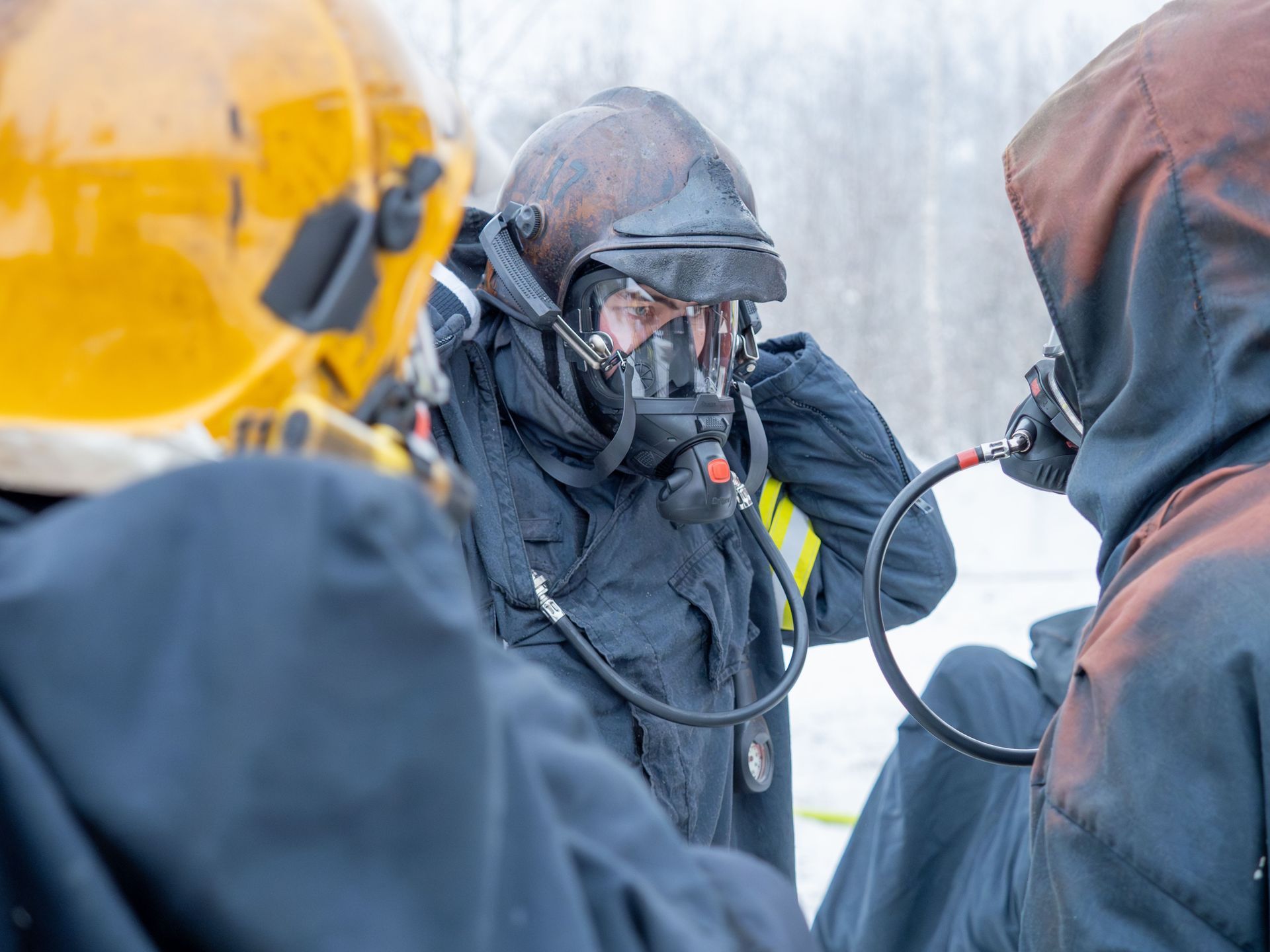
Respirators are only effective when they fit correctly. Even the highest-quality respirator cannot provide the protection it's designed for if the seal between the respirator and the wearer's face is compromised. That's why annual respirator fit testing is more than just a regulatory requirement—it's an essential part of protecting your workforce, reducing liability, and maintaining a safe workplace. If your annual fit testing deadline is approaching, now is the time to schedule. Waiting until the last minute can lead to unnecessary delays, compliance issues, and increased risk for your employees. Why Is Annual Respirator Fit Testing Required? Annual fit testing is required by OSHA for employees who wear tight-fitting respirators as part of their job. While the annual requirement satisfies regulatory compliance, it also serves a much more important purpose: confirming that each employee's respirator still fits properly. A respirator that fit perfectly last year may no longer provide adequate protection today. Changes that can affect respirator fit include: Weight gain or weight loss Changes in facial structure Different respirator sizes or models Wear and tear on the respirator itself Damaged face seals or malfunctioning valves Annual testing gives employers confidence that their workers remain protected while giving employees peace of mind that their respirator is functioning as intended. The Biggest Misconception About Annual Fit Testing One of the most common misconceptions is that once an employee passes a fit test, they're protected indefinitely. In reality, respirators come in different sizes, and employees' faces can change over time. Even a small change can affect the seal, reducing the respirator's effectiveness. Another overlooked issue is equipment condition. During fit testing, damaged facepieces, cracked seals, or faulty exhalation valves are often discovered—problems that may otherwise go unnoticed until the respirator fails when it's needed most. Annual fit testing helps identify these issues before they become workplace safety incidents. Skipping annual fit testing can create significant risks for both employers and employees. Reduced Respiratory Protection - A respirator that no longer seals properly allows contaminated air to bypass the filter, exposing workers to hazardous airborne substances. Compliance Violations - Missing required fit testing can result in OSHA non-compliance, potentially leading to citations, fines, and increased legal liability. Increased Workplace Risk - Employees who are unsure whether their respirator fits correctly may lose confidence in their protective equipment, affecting both safety and morale. Simply wearing the correct respirator model isn't enough. If the seal fails—even because of a worn valve or damaged facepiece—the respirator may not provide the expected level of protection. What Happens During a Respirator Fit Test? Many employees expect fit testing to be uncomfortable or time-consuming, but the process is straightforward. A typical fit testing appointment includes: Medical Clearance - Before fit testing, employees usually complete a medical clearance questionnaire to ensure they are medically able to wear a respirator. The survey helps identify conditions that may require further medical evaluation, such as respiratory illnesses or other health concerns. Bring Your Respirator - Employees should bring the respirator they normally use and know its size (small, medium, or large). The Fit Test - The actual fit test generally takes about 10 minutes . During the test, the technician will ask the employee to perform several movements while wearing the respirator, including turning the head side to side, looking up and down, leaning forward, and speaking or reading aloud. These movements help verify that the respirator maintains a proper seal during normal work activities. Scheduling your Fit Testing early Many companies wait until their compliance deadline is just weeks away. Unfortunately, this often means limited appointment availability, scheduling conflicts, delays in completing testing, and increased administrative pressure. At Anadyne, we recommend scheduling your annual fit testing approximately three months before your deadline . Early scheduling gives both your organization and your provider enough time to plan efficiently, accommodate employee schedules, and avoid the busy compliance season. There are also important considerations that organizations should keep in mind during the testing to avoid these common but preventable respirator compliance mistakes: Employees Arriving with Facial Hair - Tight-fitting respirators require a complete seal against the face. Beards, stubble, and even one day's growth can prevent an employee from passing a fit test. Not Having Multiple Respirator Sizes Available - Not every employee fits the same respirator size. Having only one size available can delay testing and reduce protection. Treating Fit Testing as Just Another Requirement - Fit testing isn't simply paperwork for compliance. It's an opportunity to verify that respiratory protection is actually working as intended. Why Choose Anadyne for Respirator Fit Testing? For years, Anadyne has helped organizations strengthen their respiratory protection programs through reliable, professional fit testing services. When you partner with Anadyne, you receive: Experienced respiratory protection specialists Objective quantitative fit testing Accurate, reliable reports Support for OSHA compliance requirements Consultative guidance for your overall safety and respiratory protection program Our goal isn't simply to complete your annual testing—it's to help you build a safer workplace. Anadyne is also aware that not all fit testing methods provide the same level of accuracy.. Traditional qualitative methods rely on the wearer's senses—asking whether they can smell or taste a test agent. Anadyne uses a method called Objective quantitative fit testing , which utilizes specialized equipment to measure respirator performance and provide measurable data. This approach offers objective pass or fail results, greater accuracy, reliable documentation, and increased confidence in employee protection. When respiratory hazards are involved, objective measurements provide employers with stronger evidence that their respiratory protection program is working effectively. Schedule Your Annual Fit Testing Today Annual respirator fit testing protects your employees, supports OSHA compliance, and helps ensure your respiratory protection program performs when it matters most. Don't wait until the last minute. Schedule your annual respirator fit testing at least three months before your compliance deadline to avoid delays and keep your workforce protected. Contact Anadyne today to book your respirator fit testing and keep your compliance program on track .
By Mary Jane Bumanglag May 30, 2026
In many workplaces, respirators are considered the last line of defense against airborne hazards. But even the best respirator won’t protect workers if the program behind it is outdated, incomplete, or inconsistently followed. As industries continue to prioritize workplace safety, 2026 is the right time for companies to take a closer look at their respirator protection programs — not because regulations suddenly changed overnight, but because compliance alone does not always guarantee protection. At Anadyne, we believe employers should move beyond “checking the box” and focus on creating programs that genuinely keep workers safe every day on the job. Why Companies Should Review Their Respirator Program Now Many organizations assume that if they passed an inspection or completed fit testing a few years ago, their program is still effective today. Unfortunately, that’s not always the case. A respirator protection program can gradually become outdated due to: Employee turnover Changes in job tasks or exposure risks Improper respirator storage and maintenance Weight fluctuations affecting fit Inconsistent training practices Missing documentation Delayed medical evaluations or fit testing The reality is this: a company can technically remain compliant with minimum requirements and still experience workplace injuries or respiratory exposure incidents. That’s why regular program reviews matter. Compliance Is Only the Beginning Respiratory protection standards are designed to establish minimum safety requirements. However, truly effective programs go further by ensuring workers consistently use and maintain their equipment properly between evaluations and fit tests. A worker may pass a fit test today, but what happens afterward? Are they: Shaving regularly to maintain a proper seal? Replacing filters when needed? Inspecting respirators for damaged seals? Properly storing equipment in sealed bags between jobs? Reporting major physical changes that may affect fit? These day-to-day behaviors determine whether respiratory protection actually works in real-world conditions. What a Complete Respirator Protection Program Should Include An effective respirator protection program should contain several critical components working together. 1. Fit Testing Fit testing confirms that the respirator forms a proper seal on the employee’s face. (objective testing is recommended to rule out known inconsistencies with subjective 'irritant smoke' methods) Even small facial changes, damaged equipment, or improper sizing can compromise protection. 2. Training & Education Training should go beyond simply teaching employees how to wear a respirator. Effective training helps workers understand: Why respiratory protection matters How improper use increases risk How to inspect equipment properly When to replace filters or cartridges Proper cleaning and storage procedures When to report issues or request reassessment The goal is not just passing a test, it’s ensuring workers remain protected every day between tests. 3. Documentation & Written Program Review Proper documentation is essential for both compliance and operational consistency. A written respirator protection program should clearly outline procedures, responsibilities, equipment protocols, training schedules, evaluation records, and emergency processes. Without regular review, written programs can quickly become outdated or disconnected from actual workplace practices. Don’t Wait Until There’s a Problem Delaying a respirator program review is similar to avoiding a routine medical check-up. If concerns already exist, waiting longer often increases the risk of larger problems later. The good news is that most companies can address issues proactively before they become serious safety incidents, compliance violations, or costly disruptions. A review today can help identify gaps early, while solutions are still manageable. How Anadyne Can Help In 2026, Anadyne is proud to expand its respiratory protection services to help companies strengthen workplace safety programs with confidence. Whether you need: Respirator fit testing Program evaluations Training support Written program reviews Guidance on best practices Our team is ready to help you build a program that supports both compliance and worker protection. Schedule a Respirator Program Review Protecting your workforce starts with understanding where your current program stands. Book a consultation with Anadyne today and take the next step toward a safer, stronger respirator protection program. 
By Thalia Whitney October 7, 2025
OSHA hearing conservation programs should be more than just words on a page. Hearing conservation should be a meaningful investment that will prevent hearing injury,
By Thalia Whitney September 4, 2025
There are thousands of custom ear plug options, but what is going to provide protection and stay comfortable over extended times? Anadyne's custom hearing protection
By Thalia Whitney September 4, 2025
Disposable ear plugs often come at a higher cost than we may expect. Choosing custom ear plugs often leads to substantial savings over time.
By Thalia Whitney September 4, 2025
Choosing an NRR rating depends on the noise exposure of the employees, as well as balancing the need for hearing protection with the need for communication
By Thalia Whitney August 4, 2025
Many companies choose hearing testing & hearing protection for their hearing conservation program. At Anadyne, we're here as a complete hearing conservation solution
By Thalia Whitney August 4, 2025
Mobile hearing testing in the Pacific Northwest is unique compared to other states. That's why choosing a local provider with experience in the area is important
By Thalia Whitney August 1, 2025
Boothless audiometry makes for a better mobile hearing testing experience for everyone involved. Its reliable, efficient, and comfortable, taking the hassle away.
By Thalia Whitney July 2, 2025
Ear fit testing is increasing in popularity. It's important for businesses to know the benefits of performing ear fit testing, and to understand common terms